


#idrefusal #firstamendment #policestation #lawandorder
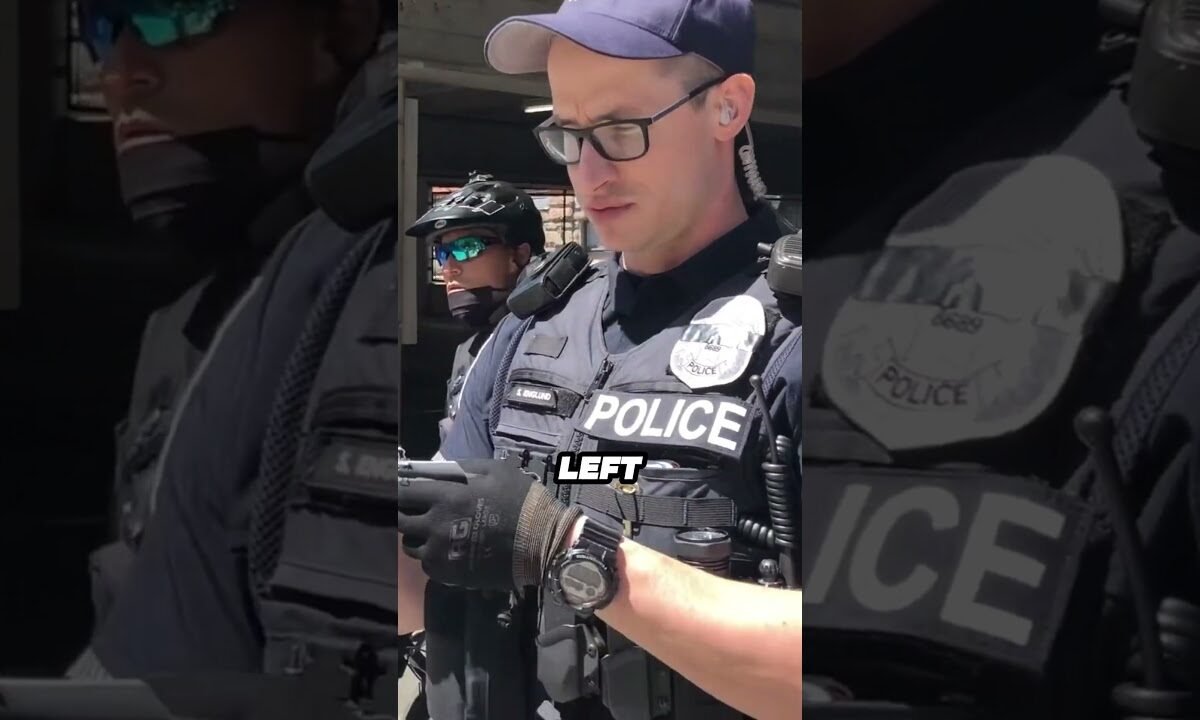
In this video, a tense exchange unfolds when a police officer claims that a citizen “must identify” if they are committing a crime. However, when the citizen calmly asks the officer to specify the alleged crime and provide the legal basis for demanding identification, the officer is unable to articulate any offense or establish reasonable articulable suspicion (RAS) under U.S. constitutional standards.
The encounter quickly becomes a real-world test of constitutional rights. The citizen remains calm, asks whether they are being detained, and requests legal justification for the officer’s demand. At the same time, the citizen asserts the right to record in public, a right protected under the First Amendment of the United States Constitution.
Under U.S. law, officers may only require identification during a lawful detention, which must be supported by reasonable articulable suspicion that a crime has occurred, is occurring, or is about to occur. Without that legal threshold, the encounter remains a consensual encounter, and citizens generally have no obligation to provide identification.
This video highlights a common issue seen in First Amendment audits, where authority is asserted without a clear legal foundation. When citizens understand their rights and ask the right constitutional questions, incorrect legal claims can quickly unravel on camera.
Ultimately, this encounter demonstrates the importance of understanding constitutional protections, including the right to record in public and the right to be free from unlawful detention under the First and Fourth Amendments.
Copyright Disclaimer: – This video may contain copyrighted material, the use of which has not been specifically authorized by the copyright owner. We are making such material available for the purposes of criticism, comment, review, and news reporting, which constitute the fair use of any such copyrighted material as provided for in Section 107 of the US Copyright Law. Notwithstanding the provisions of Sections 106 and 106A, the fair use of a copyrighted work for purposes such as criticism, comment, review, and news reporting is not an infringement of copyright.
Note: My sincere request to all copyright owners: If you believe your original content is in my video, please contact me before making any decisions. Together, we can reach the best resolution that benefits both parties from all perspectives.
source