


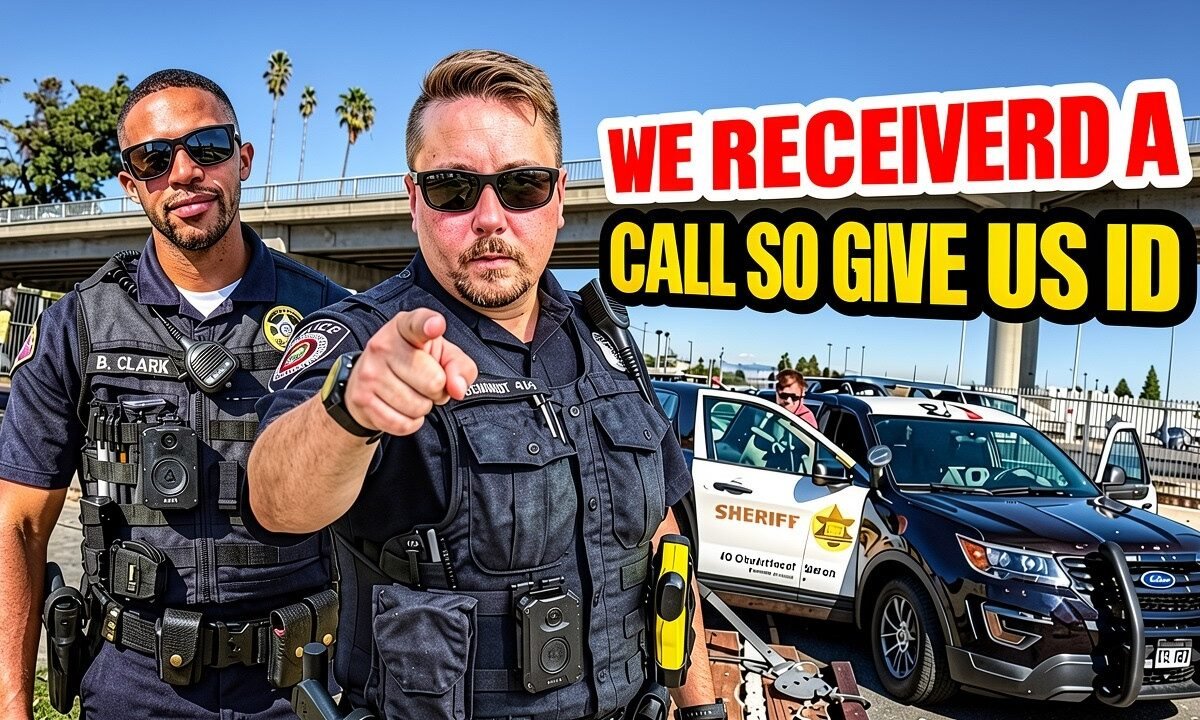
In today’s video, we break down two powerful police encounters where officers approach law-abiding citizens without articulating a single crime — yet still try to escalate the situation.
In the first interaction, an officer admits he does not suspect a crime… but continues questioning, fishing for weapons, asking about drugs, and attempting to control the encounter anyway. We examine the difference between a consensual encounter and a detention, and why “someone called” is not automatic reasonable suspicion.
In the second interaction, a citizen filming in public is labeled “weird,” accused of yelling, and pressured for compliance — all while officers struggle to clearly identify themselves when asked. We analyze First Amendment protections, Fourth Amendment limits, and why transparency matters when authority is exercised.
Key topics covered:
Consensual encounter vs. detention
Reasonable suspicion vs. “suspicious”
Police on private property
Recording in public (First Amendment basics)
Badge identification and accountability
When “policy” is not law
This video is for educational and accountability purposes — to help you understand how constitutional rights actually work in real-world police interactions.
Let me know in the comments:
👉 At what point did this encounter cross the line for you?
👉 Would you file a complaint or let it go?
Don’t forget to like, subscribe, and share to help spread awareness.
Credits:
StandingTall 710 – https://www.youtube.com/watch?v=4jcExWLS4nk&t=6s&pp=0gcJCR0AztywvtLA
Welcome to this World Media – https://www.youtube.com/watch?v=KC9kI-RcIpk
source