


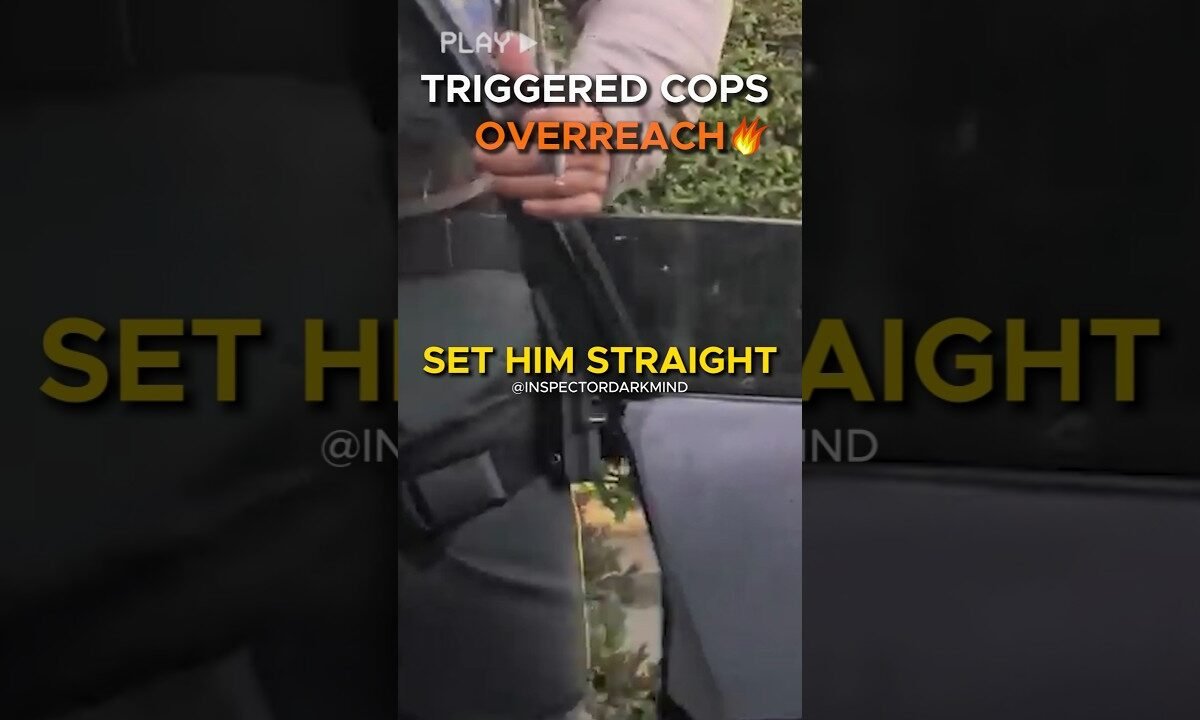
What starts as a routine speeding stop turns into a dispute over document presentation and the constitutional limits on an officer physically entering a vehicle. The driver provides the requested identifying information verbally and visually, but does not physically hand the documents over. That raises the central legal question: whether refusing to surrender the paperwork by hand justifies the officer reaching into the vehicle or opening the door. It also follows what happens afterward, including the driver signing under pressure and later trying to file a formal complaint at a service center.
Under the Fourth Amendment, a traffic stop is an investigative detention, not automatic authority for an officer to open a car door or reach inside the vehicle. State law may require a driver to display or provide a license, registration, and proof of insurance, but whether that always requires physical transfer of the documents is a narrower legal question. If the information is already being provided verbally and visually, it can be argued that the purpose of the stop has already been met. Physically crossing into the vehicle without a warrant, probable cause, or an arrest raises a separate constitutional issue. The complaint process afterward also matters, because the right to petition the government for redress of grievances protects a citizen’s effort to seek accountability once the stop is over. Overall, the incident shows how a routine traffic stop can turn into a broader civil rights issue once the officer goes beyond the narrow scope of the detention.
Legal Focus: 4th Amendment (Unlawful Entry) / Document Presentation Laws / 1st Amendment (Right to Petition)
Scenario: Traffic Stop Standoff vs. Sheriff’s Office Complaint Battle
Disclaimer: This footage is shared for educational and journalistic purposes to promote constitutional literacy and legal accountability. The content is intended to demonstrate real-world applications of civil rights and is not a substitute for professional legal advice.
source