

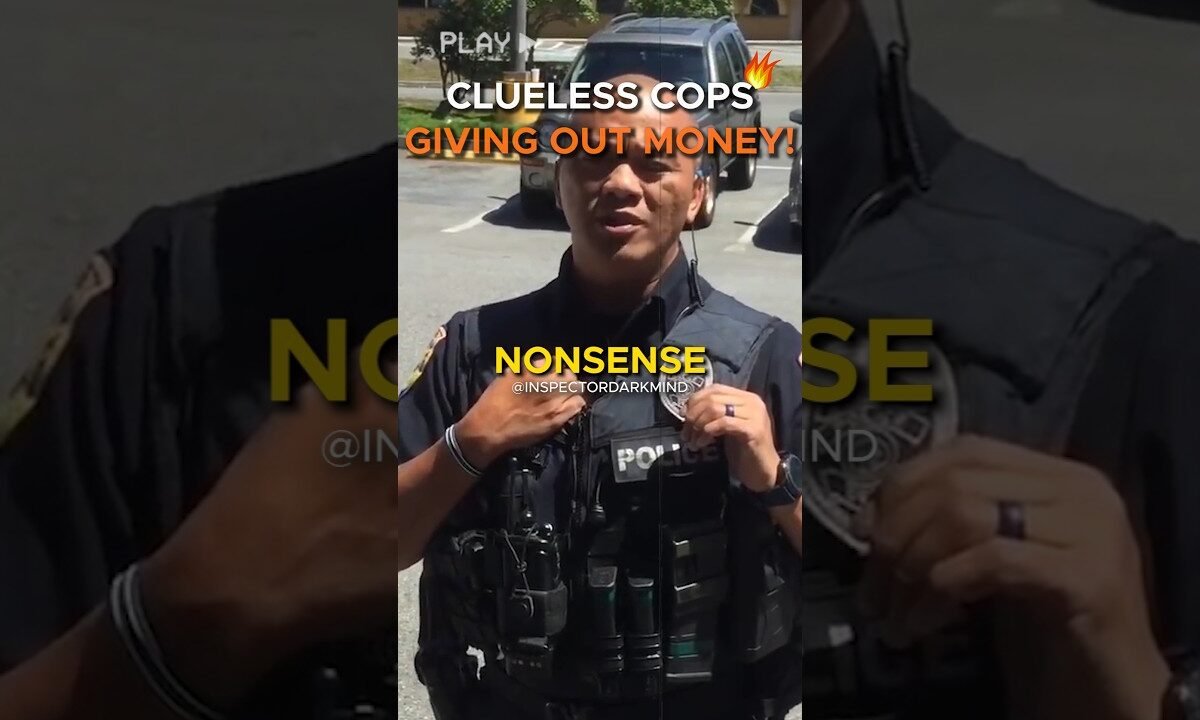
A closer look at the legal threshold for a “Trespass After Warning” charge and whether police gave a person a real chance to leave. A man filming from outside is told to move along under the claim that he is on “private property.” The key issue is whether coming back only to request officer identification, such as a name and badge number, can legally be treated as a fresh trespass, or whether it was still part of one continuous departure. The video follows how quickly officers turned that moment into a custodial trespass charge even though he had initially complied. In the end, the court dismissed the case with prejudice, finding there was no valid legal basis for the charge.
Under the Fourth Amendment, a lawful trespass arrest generally requires more than just presence on the property. There must be a clear warning, a meaningful opportunity to leave, and some refusal or boundary crossing that supports probable cause. Police may issue a move-along order, but they do not get to cut off the person’s ability to collect himself and depart in a reasonable manner. Treating a citizen’s attempt to identify officers, which is part of public oversight, as criminal “re-entry” raises serious constitutional questions. It also matters that commercial properties with federal tenants, including military recruiting offices, may involve public-access easements that make a simple trespass theory far less straightforward. The later dismissal shows what happens when a charge is used to close out an encounter instead of addressing an actual offense: the courts step in and reject it.
Legal Focus: 4th Amendment (Unlawful Arrest) / Trespass After Warning / 1st Amendment (Right to ID Officers)
Scenario: Public Filming vs. “Private Property” Dispersal Order
Disclaimer: This footage is shared for educational and journalistic purposes to promote constitutional literacy and legal accountability. The content is intended to demonstrate real-world applications of civil rights and is not a substitute for professional legal advice.
source