


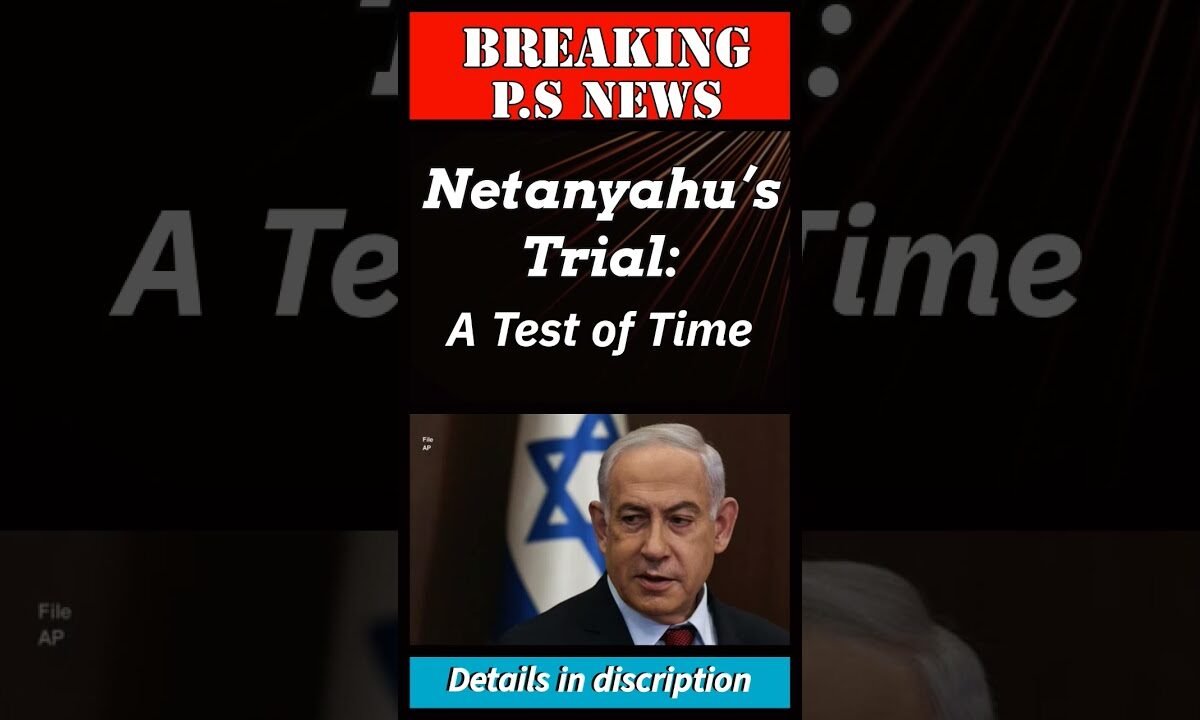
Benjamin Netanyahu, Israel’s longest-serving Prime Minister, began his defense in a high-profile corruption trial on December 10, 2024. Accused of fraud, bribery, and breach of trust, Netanyahu has denied all allegations, labeling them as a political witch hunt. The trial, which has already seen over 280 hearings, involves three cases related to gifts, media deals, and regulatory favors. As Netanyahu testifies, the outcome could significantly impact his political future and Israel’s political landscape.
Commentary:The trial of Benjamin Netanyahu is more than a legal battle; it’s a litmus test for Israel’s democratic institutions. How can a nation uphold justice when its leader is on trial? This case prompts us to question the balance between legal accountability and political power. It also raises concerns about the integrity of judicial processes in politically charged environments. The implications extend beyond Netanyahu’s fate, potentially shaping public trust in governance and the rule of law.
What does Netanyahu’s trial reveal about the intersection of law and politics?
#NetanyahuTrial #IsraeliPolitics #JusticeOnTrialCitationsHaaretz. (2024).
“Netanyahu claims there’s a ‘deep state’ witch hunt to topple his right-wing rule.”
The Times of Israel. (2024). “Netanyahu in court: ‘I have waited 8 years for this moment to say the truth'”
Israel Hayom. (2024). “After five years and 280 hearings, PM begins defense in cases involving alleged gifts, media deals, and regulatory favors.”
source